Solar Power ROI Calculator: How to Determine Your Investment Returns
The upfront cost of a residential solar system can be quite a shock for many homeowners. On average, installing solar panels requires an initial investment of $15,000 or more, not including potential ongoing expenses such as maintenance and inspections.

That being said, most homeowners experience a significant return on their investment. That's right—installing a solar power system not only benefits the environment and reduces electricity bills, but it can also generate long-term profit! Here's how to calculate ROI and the solar payback period to determine if a home solar power investment is worthwhile for your energy needs.
How Do Solar Panels Pay Back Their Investment Cost?
Solar panels typically offer a positive return on investment over time. But how long does it take to reach the breakeven point?
There's a straightforward way to estimate the solar payback period. By comparing energy bill savings and available solar incentives against the upfront cost of equipment and installation, you can assess whether it makes financial sense for you.
Energy Bill Savings
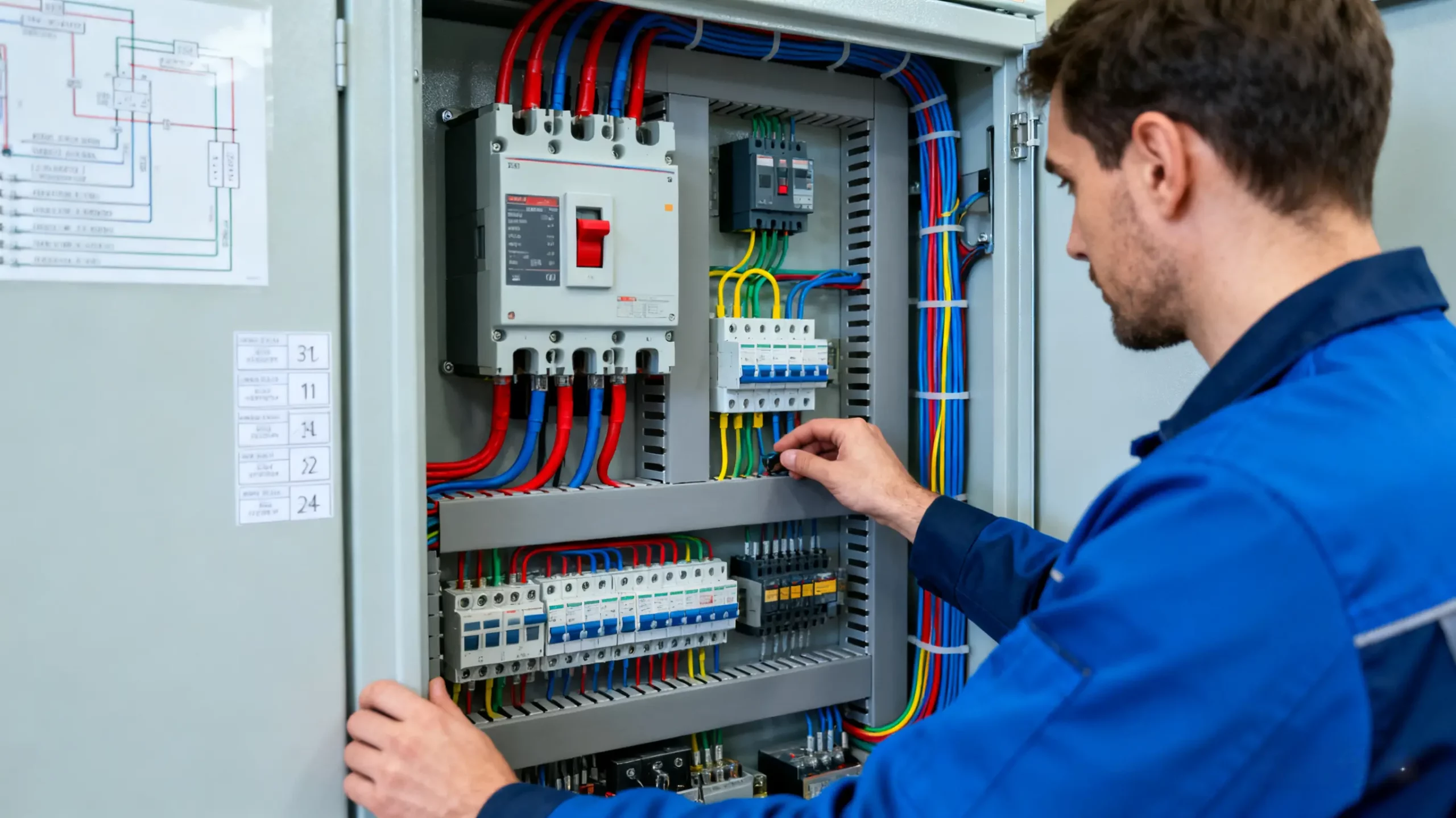
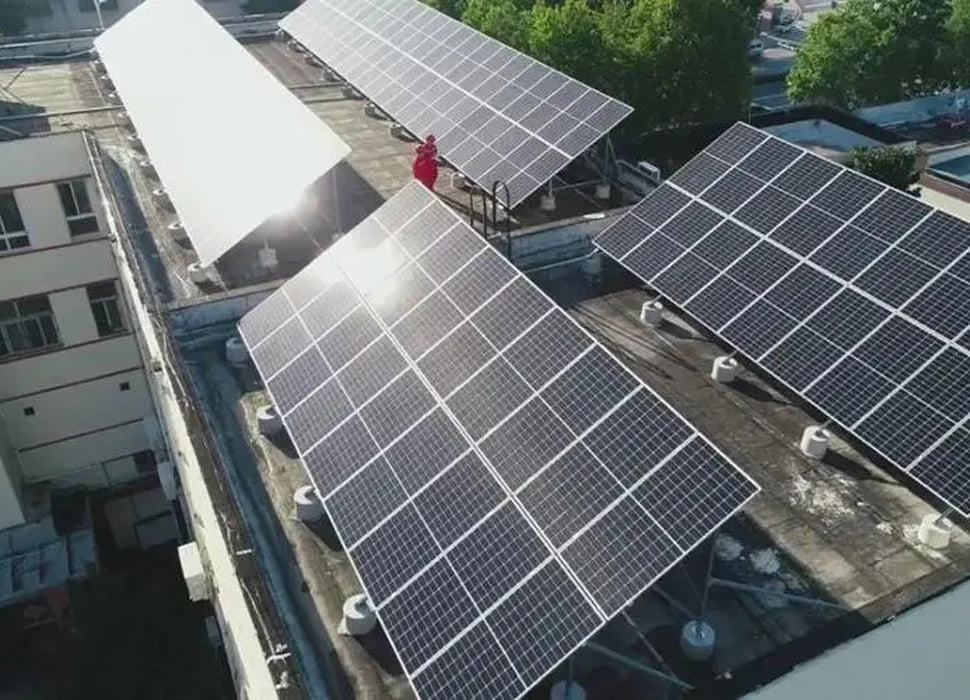
Homes equipped with photovoltaic (PV) solar panels enjoy drastically reduced energy costs. Since much—if not all—of your energy is self-generated, high electricity bills become a thing of the past. Many homeowners even manage to bring their electric bills down to zero.
Solar Incentives

A variety of local, state, and federal programs exist to encourage homeowners to adopt solar energy. The Federal Tax Credit for Solar Photovoltaics offers a 30% rebate on total installation costs.
Net Metering Benefits
If your solar array produces surplus energy, your utility company may compensate you for the excess. Many states enforce net metering laws, requiring utility providers to purchase excess power from homeowners.
Net Metering Types:
-
✓
Full-retail net metering: Utility companies purchase excess energy at the same rate they charge customers
-
!
Avoided-cost rate: Lower-than-retail rate payment for excess energy
How Do You Calculate the Solar Payback Period?
The solar payback period refers to the time it takes to recover your initial solar power system investment. In most cases, residential solar systems prove to be sound investments, eventually yielding returns.
Calculate Your Payback Period
Solar Payback Formula
Payback Period (Years) = Net Initial Cost ÷ Annual Savings
Net Initial Cost = Initial Cost - Incentives/Rebates
Key Definitions:
- Initial System Cost: Total upfront cost of solar panels, installation, permits, etc.
- Incentives/Rebates: Tax credits, government rebates, or other financial incentives
- Annual Savings: Yearly reduction in electricity bills from solar energy
Example Calculation
Solar system cost: $15,000
Incentives (30% tax credit): $4,500
Net initial cost: $15,000 - $4,500 = $10,500
Annual electricity savings: $1,500
$10,500 ÷ $1,500 = 7 years payback period
Traditional Energy Costs
Solar Investment
Calculation: Traditional Costs - Solar Investment = Your Savings
How It Works
Traditional Costs: What you'd pay for electricity over 25 years
Solar Investment: Total cost of your solar system
Your Savings: The difference is your return on investment
Real Example
* This example shows potential savings - actual results vary by location, usage, and system specifications.
Why Choose Solar?
This means you save $40,000 over 25 years by switching to solar!
How Do You Calculate ROI for Solar Panels?
Return on investment (ROI) for solar panels is closely tied to the payback period. Instead of measuring the time required to break even, ROI assesses the total financial benefit a PV array provides over its lifetime.
Simplified Solar ROI Calculation
ROI Formula Explained
Solar System ROI = Lifetime Utility Costs - Lifetime Solar System Costs
Key Definitions:
- Lifetime Utility Costs: Total cost of grid electricity over the solar system's lifespan (typically 25-30 years)
- Lifetime Solar System Costs: All costs related to solar (installation, maintenance, repairs, replacements)
- ROI (Return on Investment): Net financial benefit of your solar system over its lifetime
Example Calculation
Lifetime Utility Costs (25 years): $60,000
Lifetime Solar System Costs: $20,000
$60,000 - $20,000 = $40,000 total ROI
This means you save $40,000 over 25 years by switching to solar!
What Factors Affect Solar ROI?
Installation Costs
Equipment and labor expenses
Maintenance
Ongoing system upkeep
Fees & Permits
Local regulatory requirements
Utility Costs
Local electricity rates
Installation Costs
Solar panel equipment and installation expenses represent the most significant financial hurdle. A full residential system often costs $20,000 or more, depending on location, contractor fees, and required equipment.
Cost Reduction Example:
Initial solar installation cost: $20,000
Federal Tax Credit (30%): -$6,000
State/Local incentives: -$2,000
Net installation cost: $12,000
Calculating Lifetime Utility Costs
ROI depends not only on the initial investment but also on lifetime utility costs. A comprehensive solar setup can generate greater savings compared to a smaller system.
Lifetime Electricity Cost Formula:
Electricity Cost per kWh × Monthly Usage in kWh × 12 months × 25 years
Using National Averages:
$0.1632 × 886 kWh × 12 × 25 = $43,378.56
The average homeowner could potentially save over $40,000 over the lifetime of a solar array!
EcoFlow Power Kit ROI Example
Real-World Calculation
System Components:
- • Base 10 kWh Power Kit: $9,999
- • 16 EcoFlow 400W Solar Panels: $8,000
- • Total before incentives: $17,999
- • After 30% Federal Tax Credit: $12,600
Payback Calculation:
$12,600 ÷ $1,735.14 = 7.26 years
System pays for itself in just over seven years
Solar Power ROI Key Takeaways
- 1 The average solar power ROI is around 10%, varying by system size, efficiency, and location.
- 2 To calculate ROI, divide net lifetime savings by the total cost of purchase and installation, then multiply by 100.
- 3 Most homeowners break even within 8-10 years and save over $40,000 over 25 years.
So, Is Investing in Solar Power Worth It?
In almost all cases, solar power is a smart investment. Unless you live in an area with extremely limited sunlight, you can expect to break even within 10 to 15 years.
If the upfront cost is prohibitive, consider starting with a smaller solar generator—an invaluable backup during power outages.
Ready to Go Solar?
Switchgearmfg offers solar solutions to suit all budgets. Now is the perfect time to start your solar journey with Switchgear using Switchgearmfg!