Low-Voltage Switchgear: A Comprehensive Guide
Low-voltage switchgear is essential for distributing electrical power across industrial, commercial, and residential sectors. Operating typically at voltage levels below 1,000 volts AC or 1,500 volts DC, it is designed to control, protect, and isolate circuits.
Acting as the backbone of electrical networks, it enables power distribution from transformers to various loads while providing crucial protection against overloads, short circuits, and ground faults, ensuring stability and continuous operations.
Key Components
Understanding the critical internal components that ensure safe operation and effective power distribution.
Circuit Breakers
Automatically interrupt current flow in case of faults, preventing equipment damage and ensuring safety.
Fuses
Protective devices that melt and break the circuit when excessive current flows, safeguarding against overloads.
Contactors
Facilitate remote operation and automation of electrical systems, controlling power supply to motors and loads.
Distribution Boards
House circuit breakers and fuses, acting as a central point for monitoring, control, and electricity distribution.
Types of Low-Voltage Switchgear
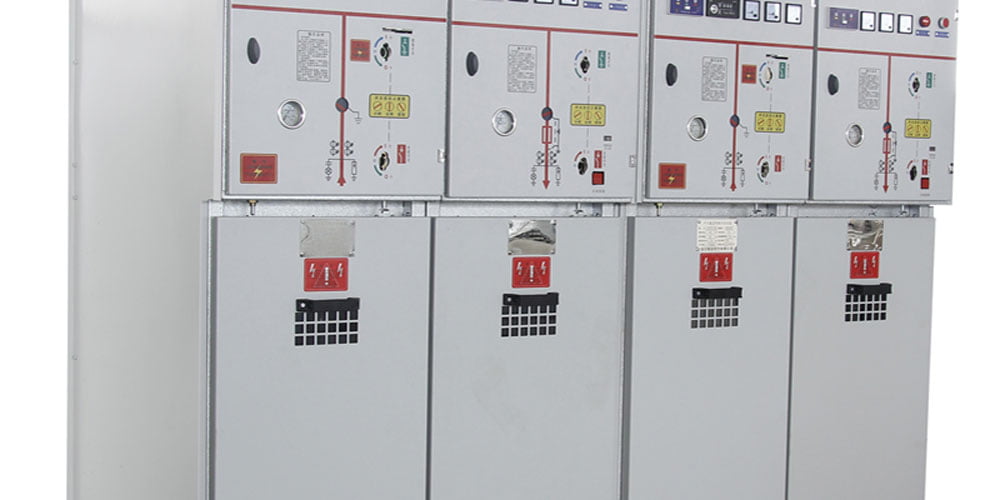
Metal-Enclosed Switchgear
Features robust metal housing for high protection against environmental factors. Commonly used in industrial plants and commercial buildings where space is limited and safety is critical.
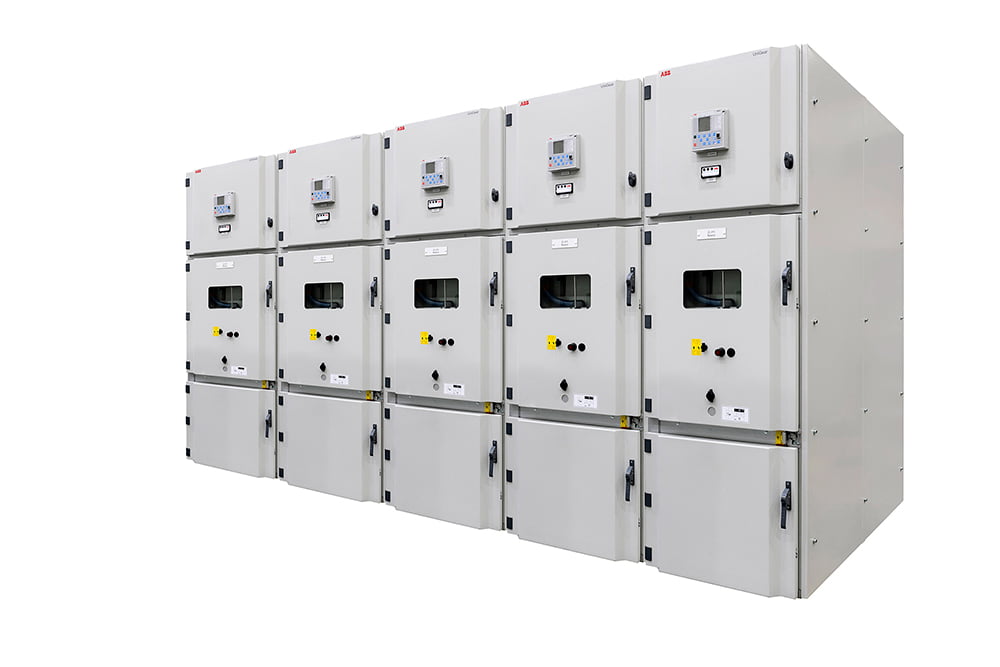
Air-Insulated Switchgear
Uses air as the insulating medium. Known for simplicity, cost-effectiveness, and ability to withstand harsh weather. Ideal for substations and utility power distribution.
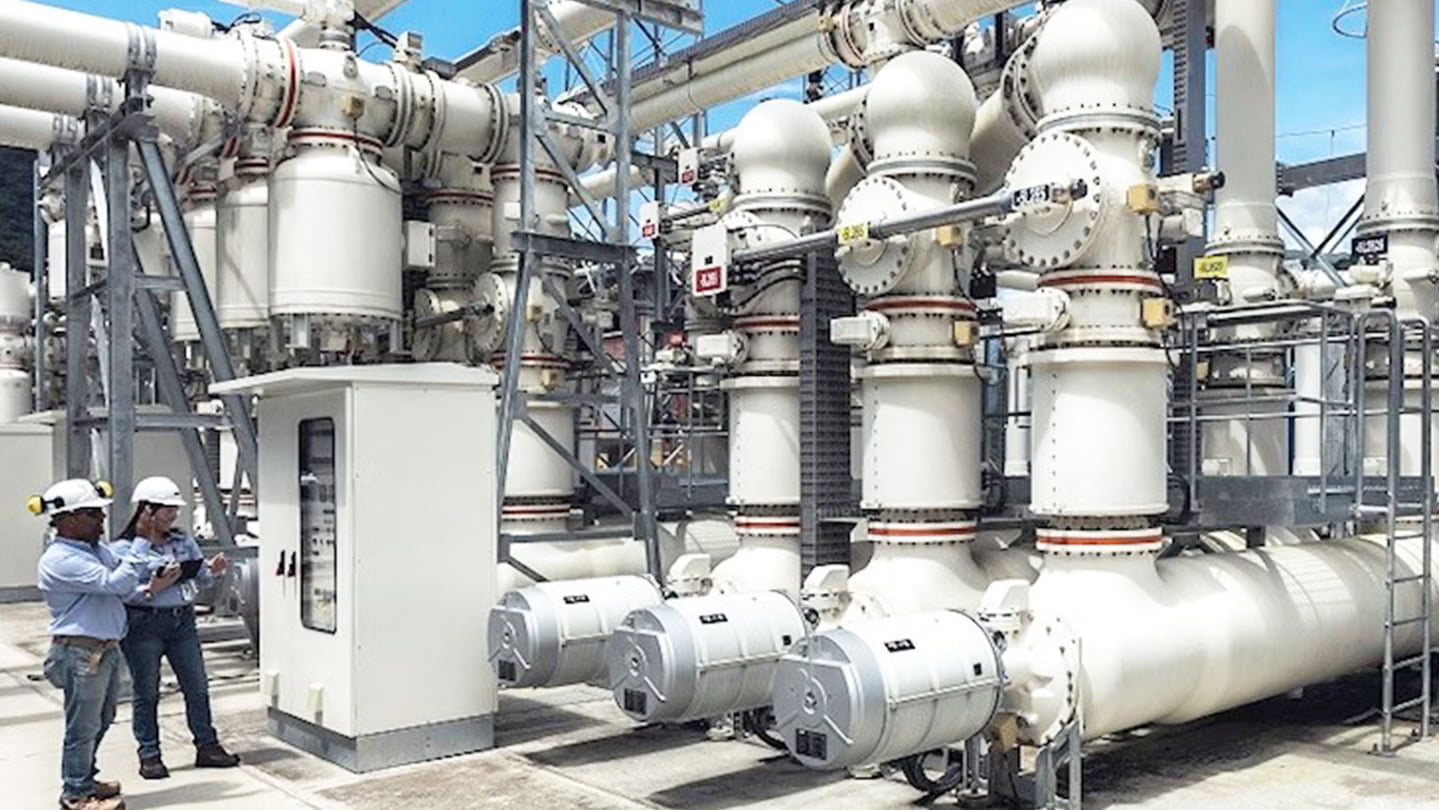
Gas-Insulated Switchgear
Uses SF6 gas for insulation, allowing for a compact design with high reliability. Perfect for urban environments, high-rise buildings, and substations where maintenance must be minimal.
Key Features & Specifications
When selecting low-voltage switchgear, evaluating these essential factors is crucial for optimal performance and safety.
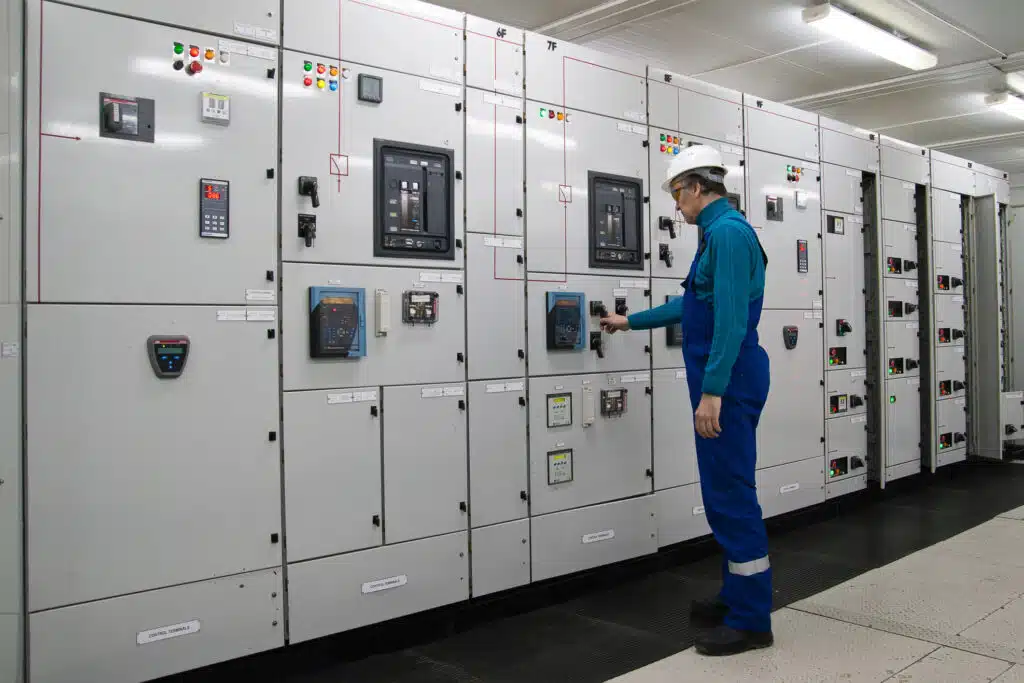
Power Capacity & Ratings
Assess ampere (A) capacity to meet application needs. Ratings must align with system voltage levels and load conditions.
Safety & Compliance
Look for short-circuit protection, overload relays, and arc flash protection. Ensure compliance with IEC 61439 and ANSI/IEEE standards.
Maintenance Requirements
Opt for designs allowing easy access for inspections. Regular maintenance extends equipment lifespan significantly.
Environmental Impact
Choose energy-efficient switchgear with minimal environmental footprint, adhering to sustainability goals.
Buying Guide
1. Establish Budget
Prices vary significantly. Balance cost with quality and functionality early in the process.
2. Assess Needs
Consider voltage ratings, current capacity, and environmental conditions specific to your application.
3. Supplier Reputation
Look for proven track records, certifications, robust warranties, and reliable technical support.
Purchasing Checklist
- Define your budget and adhere to it.
- Identify technical requirements (Voltage/Current).
- Research supplier backgrounds and reviews.
- Evaluate warranty terms and support options.
- Gather multiple quotes for comparison.
Installation Best Practices
- Site Prep: Clean, dry, ventilated area.
- Manuals: Always follow manufacturer guidelines.
- Connections: Verify secure and rated connections.
- Grounding: Ensure proper grounding for safety.
- Testing: Conduct pre-commissioning tests.
Maintenance Schedule
- Monthly: Visual checks for wear/corrosion.
- Bi-annually: Clean interior/exterior surfaces.
- Annually: Insulation resistance & operational tests.
- As needed: Replace worn components.
Troubleshooting Tips
- Power Issues: Check tripped breakers/blown fuses.
- Noises: Investigate mechanical failure/loose parts.
- Hotspots: Use thermal imaging for temperature monitoring.