HV vs LV Switchgear: Understanding the Key Differences
Comprehensive guide to High Voltage and Low Voltage switchgear technologies, applications, and specifications
Voltage Classification Overview
Understanding the fundamental differences between High Voltage (HV) and Low Voltage (LV) switchgear is crucial for selecting the right electrical distribution equipment for your specific application.
Industry Standards
Voltage classifications vary by region and standards (IEC, IEEE, ANSI), but generally follow similar principles for safety and operational requirements.
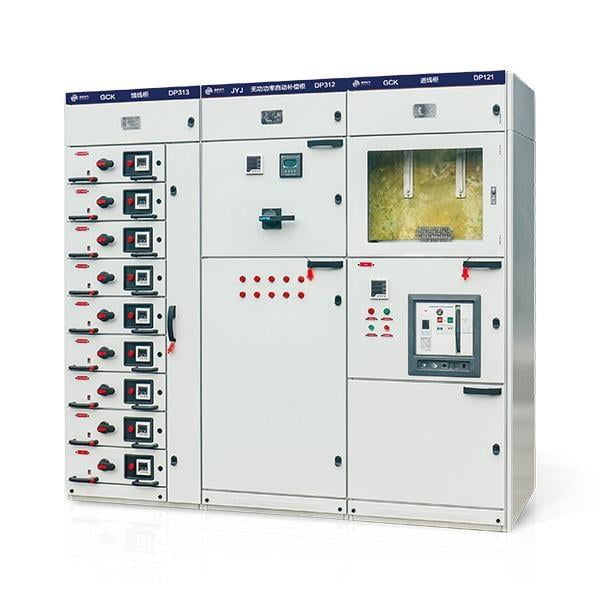
High Voltage Switchgear
Voltage Range
Above 35kV (IEC) / Above 69kV (IEEE)
Typical Applications
- • Power transmission systems
- • Large industrial facilities
- • Utility substations
- • Power generation plants
Low Voltage Switchgear
Voltage Range
Up to 1kV AC / 1.5kV DC
Typical Applications
- • Commercial buildings
- • Residential complexes
- • Small industrial plants
- • Motor control centers
Detailed Comparison
| Aspect | High Voltage (HV) | Low Voltage (LV) |
|---|---|---|
| Voltage Range | > 35kV (IEC) / > 69kV (IEEE) | ≤ 1kV AC / 1.5kV DC |
| Insulation Type | Gas (SF6), Oil, or Air insulated | Air insulated |
| Installation | Outdoor/Indoor substations | Indoor panels/enclosures |
| Safety Requirements | Extensive safety protocols, specialized training | Standard electrical safety practices |
| Maintenance | Complex, requires specialized personnel | Routine, standard electrical maintenance |
| Cost | High initial investment | Lower cost, more accessible |
| Protection Systems | Advanced relay protection, SCADA integration | Circuit breakers, fuses, basic protection |
The Medium Voltage Solution
Bridging the gap between HV and LV with optimal performance and safety
Why Choose Medium Voltage?
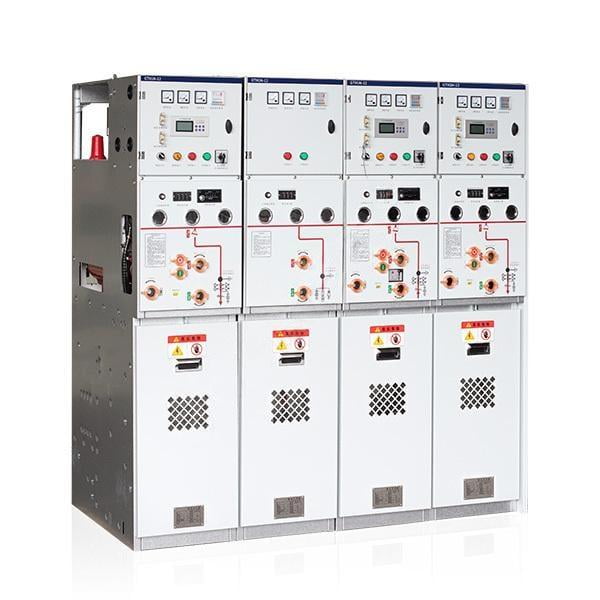
Medium Voltage switchgear (1kV - 35kV) offers the perfect balance between HV and LV systems, providing efficient power distribution for most industrial and commercial applications.
Optimal Efficiency
Better power transmission with lower losses
Cost Effective
Lower infrastructure costs than HV
Proven Safety
45+ years of global experience
Versatile Applications
Suitable for diverse industrial needs
Key Selection Factors
Power Requirements
Analyze your electrical load demands, fault current levels, and power distribution needs to determine the appropriate voltage level.
Safety Considerations
Evaluate operator safety requirements, arc flash protection needs, and compliance with local electrical safety standards.
Economic Factors
Consider initial investment costs, operational expenses, maintenance requirements, and long-term return on investment.
Expert Guidance for Your Switchgear Selection
With over 45 years of global experience in medium voltage switchgear, SwitchgearMFG provides tailored solutions that meet your specific requirements while prioritizing safety, quality, and durability.