Understanding the Difference Between LV and HV in Electrical Systems
A comprehensive guide to Low Voltage and High Voltage classifications in power distribution
Key Takeaway
Understanding voltage classifications is crucial for selecting the right switchgear equipment and ensuring operator safety in electrical systems.
What is Voltage Classification?
Voltage classification is a standardized system used globally to categorize electrical systems based on their operating voltage levels. This classification is essential for safety protocols, equipment selection, and regulatory compliance in electrical installations.
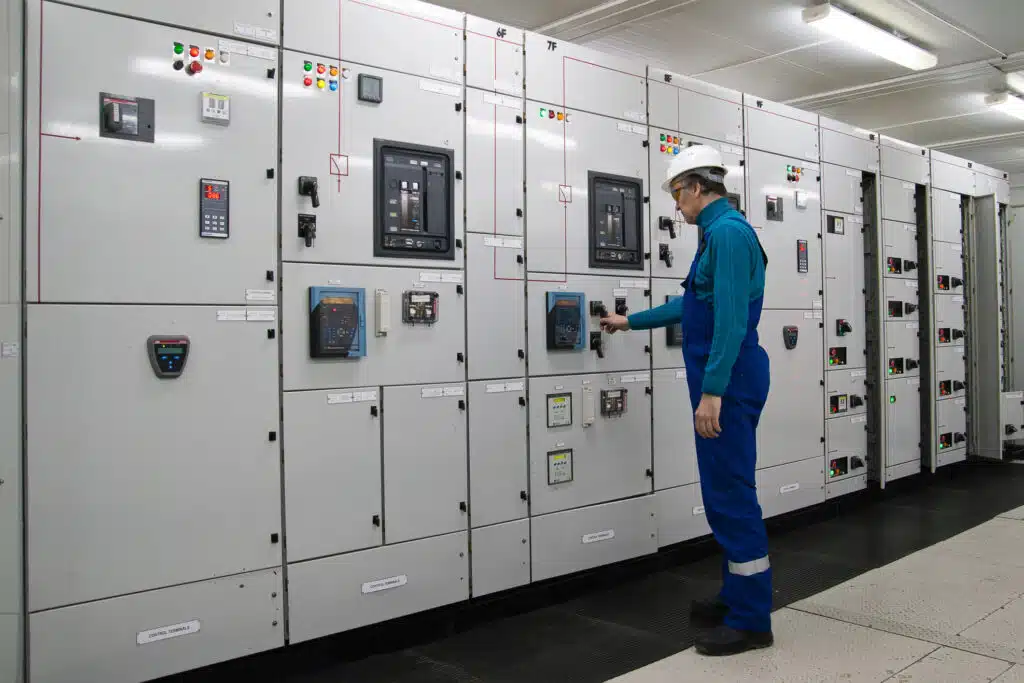
Low Voltage (LV) Systems
Definition
Low Voltage systems typically operate between 50V to 1,000V AC or 120V to 1,500V DC.
Common Applications
- Residential electrical systems (120V/240V)
- Commercial buildings and offices
- Small industrial equipment
- Lighting systems
- Motor control centers
- Distribution panels and switchboards
Safety Considerations
- Lower risk of arc flash incidents
- Simpler personal protective equipment (PPE) requirements
- More accessible for maintenance and troubleshooting
- Standard electrical safety procedures apply
High Voltage (HV) Systems
Definition
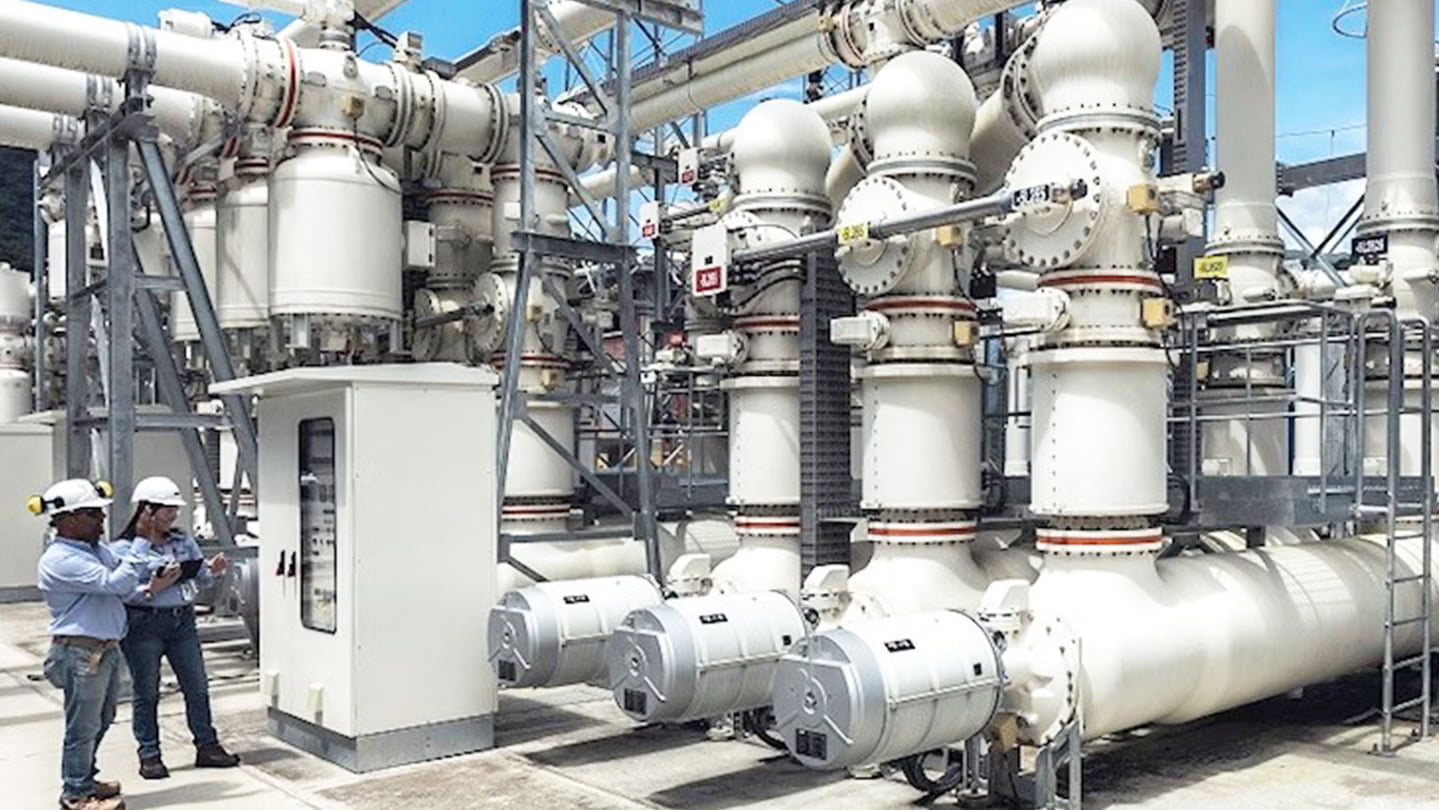
High Voltage systems operate at above 1,000V AC or above 1,500V DC. This category is further subdivided into medium voltage (1kV-35kV) and high voltage (above 35kV).
Common Applications
- Power transmission lines
- Industrial facilities and manufacturing plants
- Utility substations
- Large commercial complexes
- Mining operations
- Data centers and critical infrastructure
Safety Considerations
- Higher risk of severe electrical injuries
- Specialized training required for operators
- Advanced PPE and safety protocols mandatory
- Strict regulatory compliance requirements
- Professional installation and maintenance only
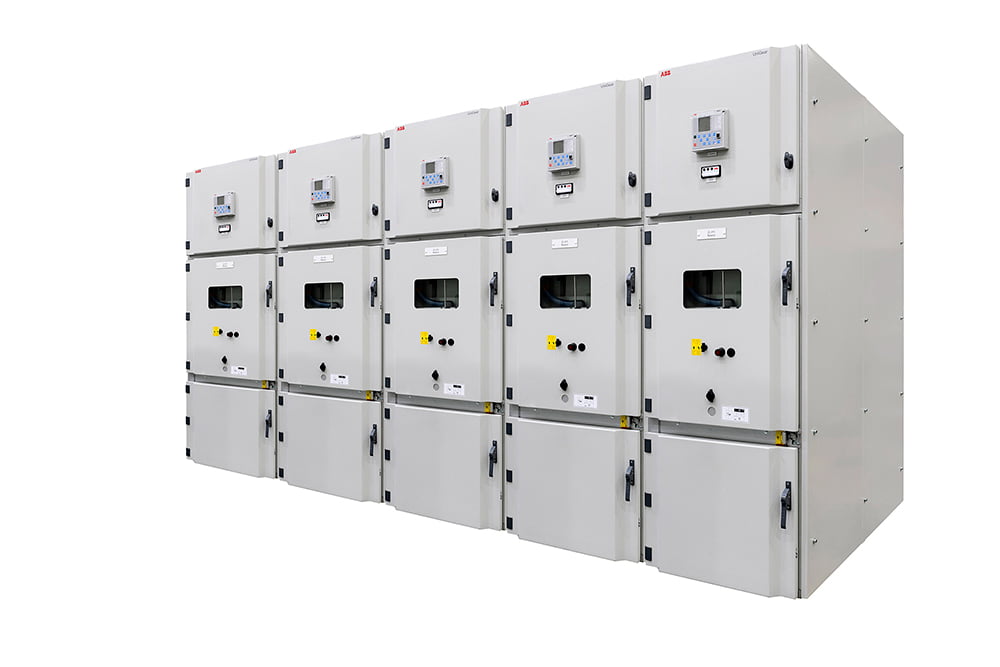
Medium Voltage: The Sweet Spot
Medium Voltage (MV) systems, operating between 1kV and 35kV, represent the optimal balance between power capacity and safety. This is where SwitchgearMFG specializes, providing reliable solutions for power distribution.
Why Medium Voltage Matters
- Efficient power distribution for industrial applications
- Manageable safety requirements compared to high voltage
- Cost-effective for medium to large facilities
- Excellent reliability and performance characteristics
- Suitable for most commercial and industrial needs
Key Differences Summary
| Aspect | Low Voltage (LV) | Medium Voltage (MV) | High Voltage (HV) |
|---|---|---|---|
| Voltage Range | 50V - 1,000V AC | 1kV - 35kV | Above 35kV |
| Safety Risk | Low to Moderate | Moderate to High | High |
| Training Required | Basic Electrical | Specialized | Highly Specialized |
| Typical Use | Residential, Small Commercial | Industrial, Large Commercial | Transmission, Utilities |
| Equipment Cost | Lower | Moderate | Higher |
Choosing the Right Switchgear
Selecting appropriate switchgear depends on your voltage requirements, safety considerations, and operational needs. At SwitchgearMFG, we specialize in medium voltage solutions that provide the perfect balance of power, safety, and reliability.
Consider LV When:
- Power requirements are under 1000V
- Residential or small commercial application
- Budget constraints are primary concern
- Simple maintenance is preferred
Consider MV/HV When:
- Industrial or large commercial facility
- High power demands (above 1kV)
- Long-term reliability is critical
- Professional operation and maintenance available
SwitchgearMFG: Your Medium Voltage Expert
With over 45 years of global experience in medium voltage switchgear, SwitchgearMFG provides reliable, safe, and innovative solutions for power distribution. Our commitment to operator safety, product quality, and customer satisfaction makes us the premier choice for medium voltage equipment.
Need Expert Guidance?
Our sales engineers are ready to help you select the right voltage classification and switchgear solution for your specific requirements.
Contact Our Experts